Issue A001 of 24 January 2000
Small Museums in Athens Metro stations
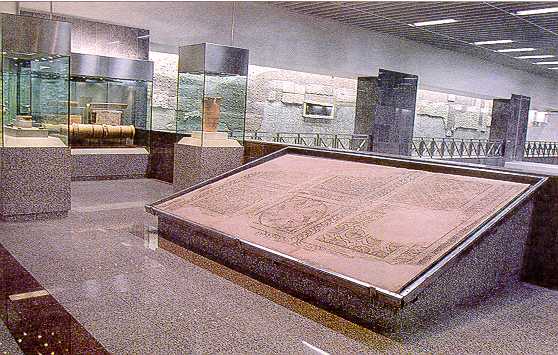
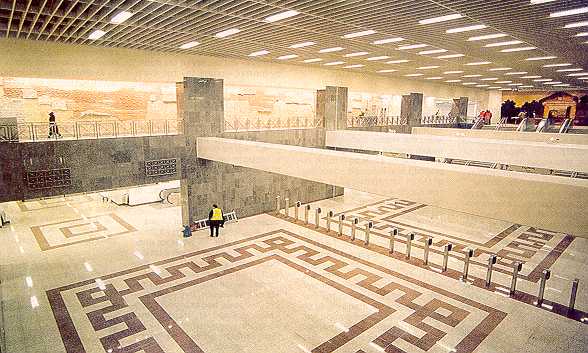
In a few days (late January 2000) passengers of some metropolitan stations in Athens, Greece, will be visiting small museums while changing trains or entering/exiting the new Athens metro stations.
In the last four years and due to the expansion of the Athens metropolitan railroad, archaeologists were asked to work on 23 different locations within the city of Athens and excavate a total area of 60.000 square meters. Their findings range from 17th c. BCE down to the classical, roman and Byzantine times which proves, one more time, that Athens has been inhabited continuously for at least the last 4.000 years. Most of the artifacts will be exhibited in the Stathatos Megaron (opposite the Cycladic Musum) beginning in late February 2000.
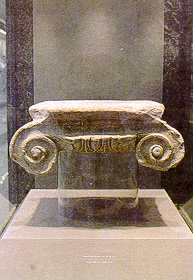
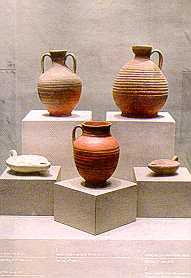
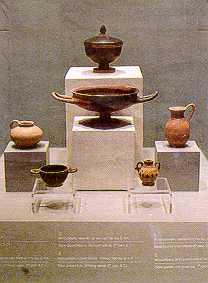
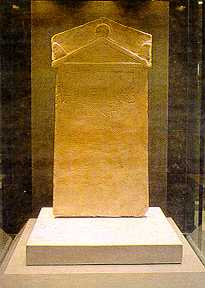
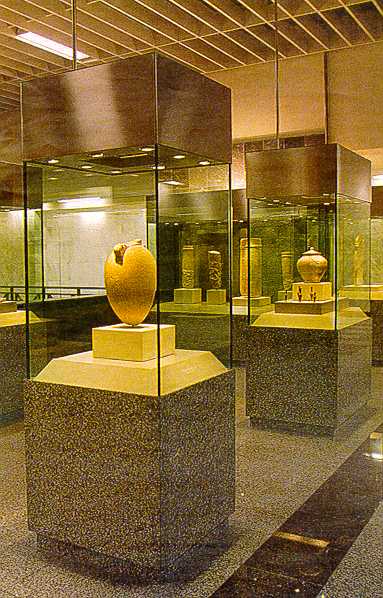
However, 60 artifacts, either originals or copies from the 2nd c. BCE to the 5th c. CE, will be exhibited within Syntagma Station and Panepistemio Station giving the passenger an idea of the continuity of life in Athens. In no other place in the world archaeological findings are exhibited in metro stations.
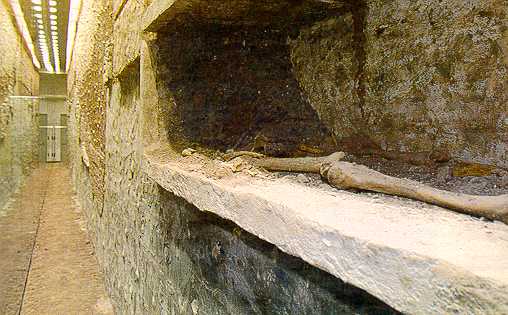
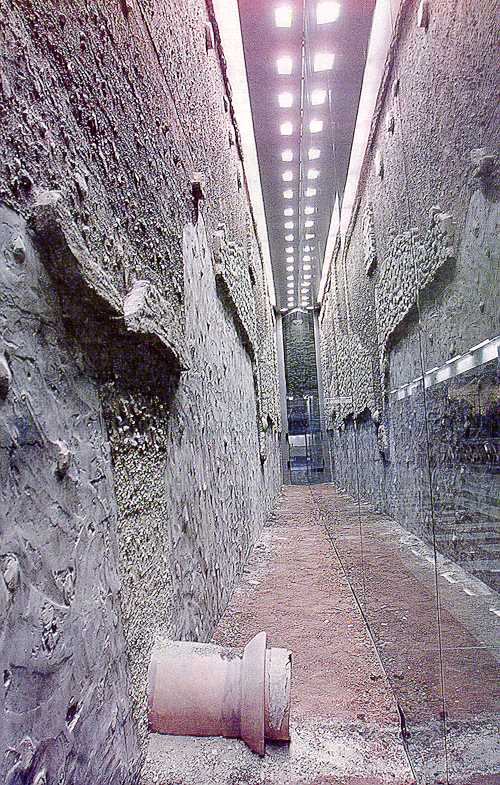
The most impressive exhibit though is the actual full stromatography of Athens from the 5th c. BCE to the 1st c. CE exactly as it was dug by the archaologists.
 Back to Cover
This page hosted by
 Get your own Free Home Page